

Safeguarding
Everyone has a role to play in safeguarding and making sure that we volunteer safely.
Creating safe and welcoming spaces for volunteers, where everyone is respected and valued, is key to safeguarding.
Sometimes you, or your volunteers may see something that concerns you. We’ve created a series of resources to reduce risk and inform you on what steps to take, and what signs to look out for.
These signs don’t always mean that someone in a household is at risk or being harmed, but they are indicators of abuse so are important to be aware of what to look for, so they can be noted and sent them to a volunteer lead and your local safeguarding teams.
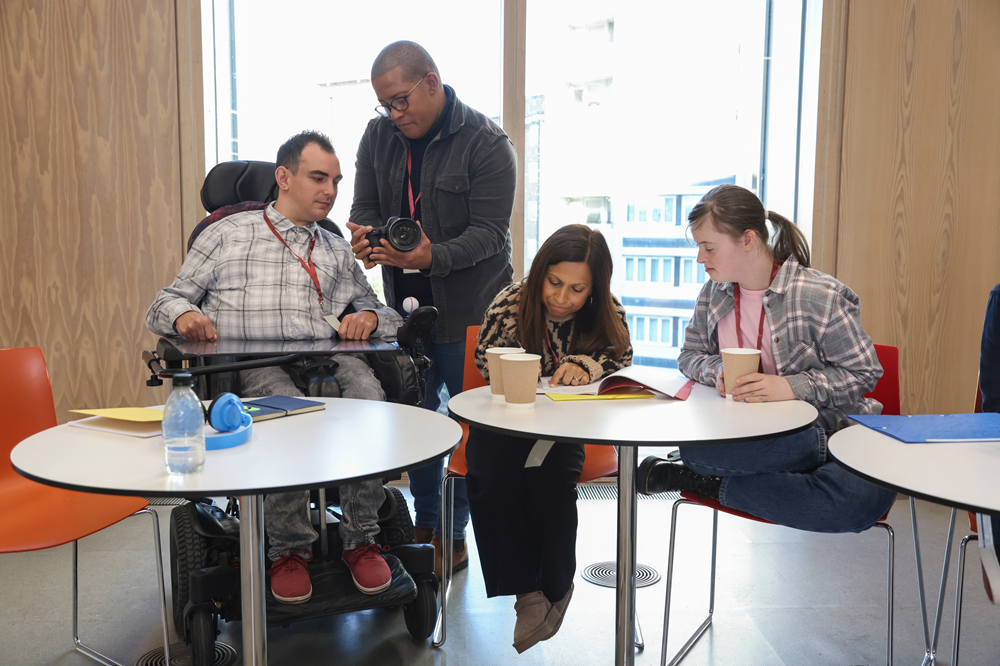
Are you organising volunteering activity?
If you are organising volunteering activity, we recommend your local volunteer centre.
navca
Volunteer Scotland
Wales Council for Voluntary Action (WCVA)
Resources
Downloads

Volunteering Matters Safeguarding Policy
This document sets out how Volunteering Matters aims to keep people safe from harm, especially what it expects from our team to protect children and adults at risk of harm. It includes our commitment to proactively prevent harm and respond well where harm occurs or is suspected, whether online or offline.

Volunteering Matters Safeguarding Guidance
The Safeguarding Guidance is aimed at all individuals involved with Volunteering Matters, including employees, volunteers, trustees, consultants, and partner organisations. It ensures everyone understands their responsibilities in protecting children and adults at risk from harm.