What inclusive really looks like at Volunteering Matters
Inclusive volunteering is at the heart of our new strategy, recognising that everyone has something valuable to contribute and that creating belonging, removing barriers and building relationships are just as important as increasing participation.
Volunteers’ Week 2026
At Volunteering Matters, we believe volunteering should start with people, not processes.
This Volunteers’ Week, we want to celebrate the extraordinary contribution of our volunteers, who create welcoming, safe and inclusive spaces where people feel able to contribute, belong and thrive.
When we launch our new 2025–2030 strategy, in 2025 one thing was clear: inclusion is not separate from our work. It is central to it.
Our strategy sets out a vision for connected, inclusive communities where everyone can thrive through the transformative power of volunteering. This vision is already being brought to life every day in our projects across the UK.
Because inclusive volunteering is not simply about increasing participation numbers.
It is about:
- dismantling barriers
- creating belonging
- building confidence
- improving health and wellbeing
- strengthening communities
- and recognising that everybody has something valuable to contribute
Across Volunteering Matters, we see every day how volunteering changes lives, not only for the people receiving support, but for the people giving their time too.
We see volunteers rebuilding confidence after isolation. People finding friendships after moving to a new country. Volunteers discovering new careers. Individuals using their lived experience to support others. Families feeling heard for the first time. Communities becoming stronger because somebody was given the chance to take part. And what became clear in conversations with projects across Volunteering Matters is this:
- Inclusive volunteering is not about having the perfect policy document.
- It is about relationships.
- It is about flexibility.
- It is about trust.
- And it is about creating spaces where people feel safe enough to be themselves.
Volunteering as social infrastructure
One of the most important themes in our new strategy is the idea that volunteering is not an “extra”. It is core social infrastructure.
Every day, volunteers are helping reduce loneliness, improve wellbeing, strengthen community resilience and provide preventative support that reduces pressure on public services. Welcome Friends in Wales demonstrates this powerfully.
The project connects volunteers with people experiencing loneliness, social isolation and health-related vulnerability through regular visits, phone calls and community activities.
At its heart, Welcome Friends is built on relational volunteering, volunteering based on trust, consistency and human connection over time.
One older woman described her volunteer as her “lifeline”. Another man, who had previously been too anxious to leave home, now enjoys weekly walks that have improved both his physical and mental health.
This is exactly what our strategy means when we talk about volunteering through relationships.
Not transactional volunteering.
Not one-size-fits-all volunteering.
But warm, sustained, community-based relationships that help people feel included, valued and less alone.
And importantly, these relationships benefit everybody involved.
Volunteers themselves often describe gaining friendship, purpose, empathy and connection through their role.
As our strategy states, volunteering is a “two-way transaction where everyone gains”.
That mutuality sits at the heart of our work.
“
We fit the role to the person
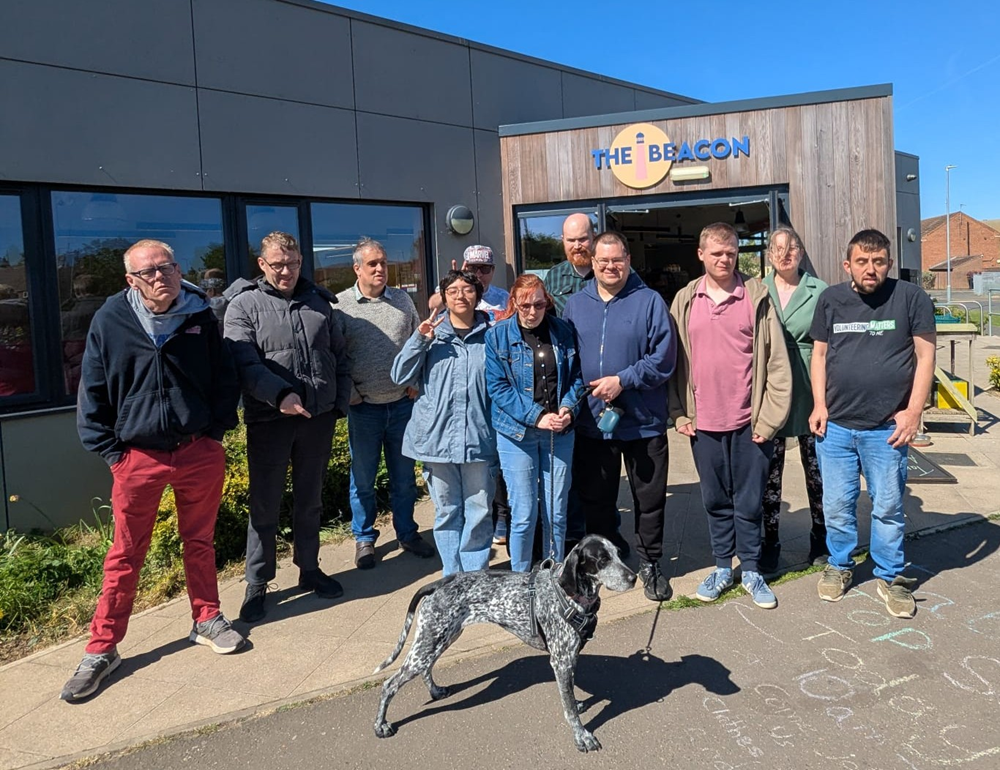
One of the strongest reflections came from our Match and Mentor project in King’s Lynn, which supports adults with learning disabilities, autism, ADHD and mental health challenges to build confidence, develop skills and participate in community life.
Project staff described how volunteering opportunities are adapted around people’s strengths, confidence levels and support needs.
As Helen Cooper explained:
“We fit the role to the person. We don’t make the person fit the role.”
That philosophy captures something fundamental about inclusive volunteering.
Too often, the people who would benefit most from volunteering are the least likely to have access to it because of barriers linked to disability, poverty, caring responsibilities, confidence, discrimination or life circumstances.
At Volunteering Matters, we believe talent is everywhere and opportunity should be too.
That means recognising that people come with different experiences, communication styles, confidence levels and support needs — and responding with flexibility and compassion.
Sometimes that means:
- flexible time commitments
- additional reassurance and confidence-building
- accessible communication
- paper-based processes instead of digital systems
- regular check-ins
- thoughtful matching
- or simply creating welcoming environments where people feel valued
At Match and Mentor, one of the most powerful reflections was this:
“The main thing we provide is a safe space for people to not have to pretend they’re something else.”
That sense of belonging matters deeply.
Because volunteering is not only about giving time.
For many people, it is also about finding confidence, friendship, identity, purpose and community.
Breaking down barriers
Breaking down barriers is one of the core commitments within our strategy.
Across our projects, staff teams consistently described inclusion as the active removal of barriers that may otherwise exclude people from volunteering.
At Grandmentors Perth and Kinross, staff adapted the onboarding process for a volunteer experiencing short-term memory loss by offering face-to-face support, paper-based processes, regular reminders and additional check-ins.
At Volunteer Centre Newcastle, Volunteer Inclusion Plans (VIPs) help identify practical adjustments that enable more people to participate fully in volunteering opportunities.
At Family Supporters Edinburgh, volunteers are supported through cultural awareness training, translated materials and flexible approaches which help both volunteers and families feel respected and understood.
And at RSVP Forth Valley, a volunteer seeking asylum joined a walking group while adjusting to life in Scotland and gradually built friendships, confidence and community connections through volunteering.
Across all of these examples, the message is the same:
People should not be excluded from volunteering because they need support.
Support is part of inclusion.
Community-led social action
Our strategy also recognises the unique power of community-led social action.
Communities know what their communities need.
That principle runs throughout our projects.
At Family Mentors Greenwich, volunteers support families who are often already involved with Children’s Services and may feel overwhelmed by professional systems and expectations.
Rather than arriving with assumptions, the project team starts by asking families a simple but powerful question:
“What do you want from this as well?”
That approach reflects something important in our strategy:
We work with communities, not for communities.
Volunteers are not simply “helpers”.
They are co-creators, community connectors, role models and changemakers.
And many people who have been supported through volunteering later go on to volunteer themselves — strengthening solidarity and creating more connected communities.
Inclusion is often quiet
One of the strongest themes emerging from these discussions was that some of the most meaningful inclusive practice is often quiet.
It does not always appear in reports or presentations.
Sometimes inclusion looks like:
- sitting with someone over a cup of tea before asking them to complete paperwork
- helping somebody fill in an online form
- noticing when a volunteer seems quieter than usual
- adapting expectations during difficult periods in someone’s life
- providing translated materials
- creating prayer space during training
- or simply taking the time to build trust
This type of relational work is sometimes difficult to measure.
But it changes lives.
And it reflects the kind of volunteering ecosystem we want to build, one that is people-led, equity-focused and transformational rather than transactional.
The people behind inclusive volunteering
None of this happens by accident.
Inclusive volunteering is created every day by skilled and compassionate staff teams who:
- build trust
- adapt opportunities
- support confidence-building
- recognise strengths
- remove barriers
- and create psychologically safe spaces where people can thrive
Often this work happens quietly in conversations, reassurance, relationship-building and thoughtful matching.
But it is central to what makes volunteering successful.
This Volunteers’ Week, we want to recognise and celebrate that contribution alongside the incredible commitment of our volunteers themselves.
Because every act of volunteering has the power to transform lives.
And ultimately, that is what Volunteering Matters has always been about.
People supporting people.
Communities leading change.
And creating spaces where everybody feels they belong.
Projects featured in this blog
Project
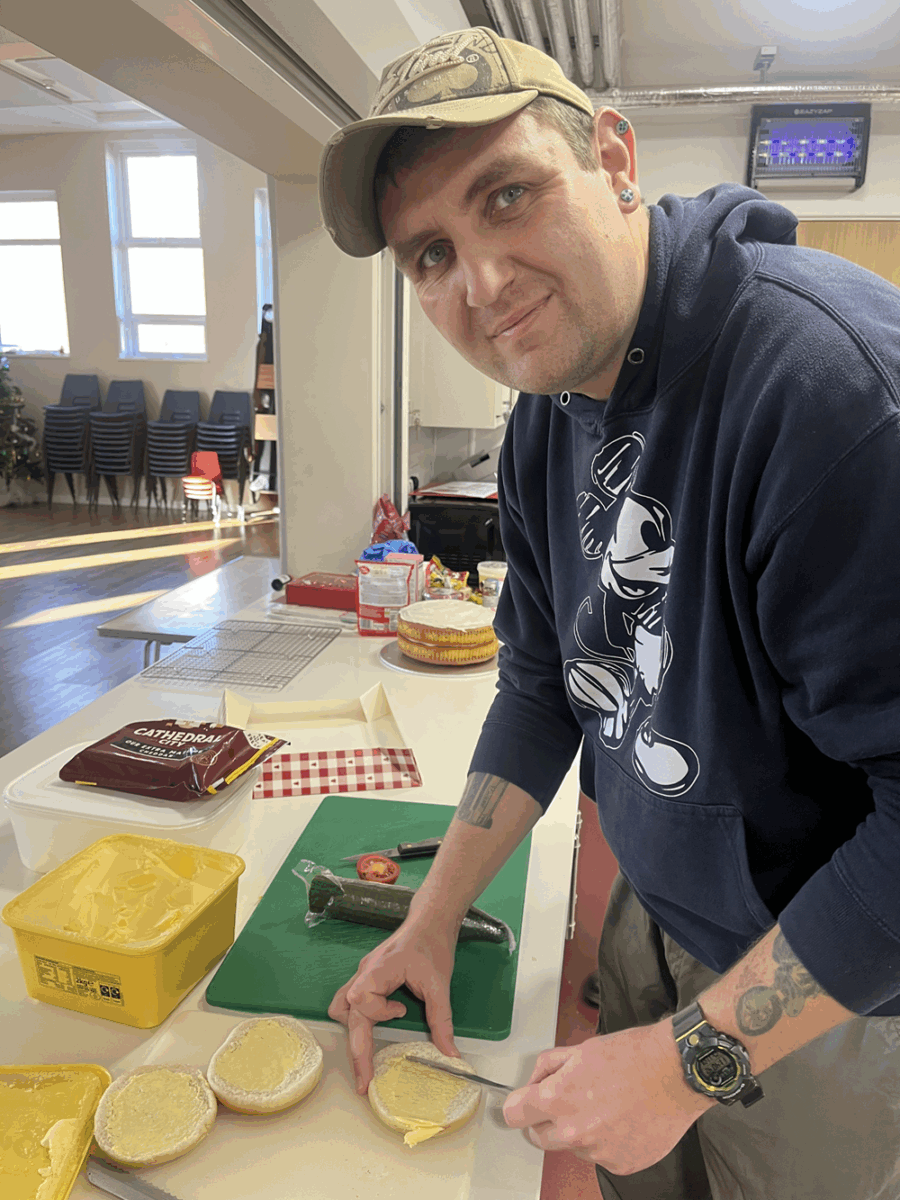
Match and Mentor
Match and Mentor provides personalised, supported volunteering opportunities and other community based activities, for people with a learning disability, or additional support needs.
Opportunity
Grandmentors Volunteer (Perth and Kinross)
Grandmentors is an innovative project that sees older volunteers use their lifetime of skills and experience to support care experienced young people.
This is our volunteer’s page, to refer a young…