Action Earth
Action Earth provides small grants to support community-led environmental action across Scotland, helping people respond to the climate and nature crisis. Funded by the National Lottery Community Fund, it enables volunteers to take practical steps to improve local green spaces and biodiversity.

Action Earth is now open for 2026 applications
We are living through a climate and nature crisis, and Action Earth supports communities across Scotland to take simple, practical steps towards a more nature-rich future. The programme is now open for 2026 applications, offering grants to help urban communities improve their local environment.
Delivered by Volunteering Matters and supported by the National Lottery Community Fund, Action Earth provides grants of up to £250 for volunteer-led projects in towns, cities and built-up areas. These grants support people of all ages, backgrounds and abilities to take part in outdoor activities that enhance local green spaces and biodiversity.
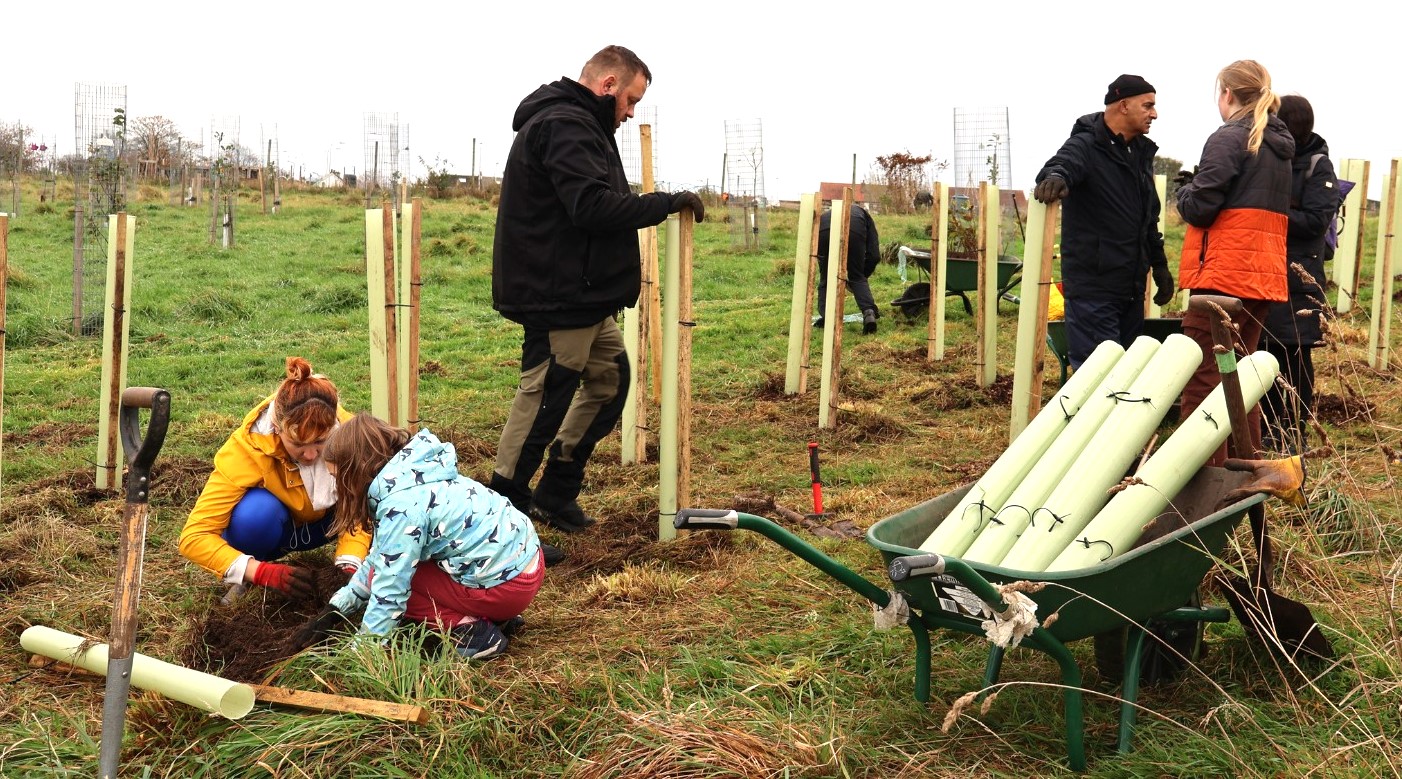
Funded activities focus on nature enrichment, including creating or improving community gardens, wildflower meadows, ponds, woodlands and other wildlife habitats. Food growing cannot be the primary focus. All projects must be completed and feedback submitted by 28 February 2027.
We prioritise applications from volunteer groups that do any of the following:
- Work in areas where there is substantial social and/or economic deprivation
- Improve and develop the health and wellbeing of their local community
- Involve disabled people, vulnerable people and those at risk of exclusion
- Encourage and involve people aged 26 or under in practical outdoor conservation
- The project must involve practical outdoor activity by volunteers in Scotland. They should make environmental improvements to urban green spaces – planting projects, wildlife habitat creation and greenspace restoration or improvements.
- A minimum of 15 volunteers (and preferably more) must be involved in the project, each giving at least 5 hours of volunteering time
- Sites to be worked on must be accessible to the general public
- Plants, tools, materials and some volunteer expenses can be claimed. Our strong recommendation is to plant native species only.
- Activities which are primarily about food growing.
- Staff time, freelance or sessional workers wages, accommodation, cameras, large pieces of equipment (lawnmowers, power tools etc), fuel costs, garden furniture, garden ornaments or compost that is not ‘peat-free’,
- Projects in remote rural settings (unless involving disabled people/defined health groups or working in areas of multiple deprivation)
- Any project taking place on school grounds.
Projects pay costs upfront and then claim back from us by sending in receipts, feedback forms and a grant claim form within 4 weeks of your project end date. We will then repay the money into your group’s bank account.
We’re here to help and can offer help and advice throughout the application process. We can also assist successful applicants with social media posts, local press releases and advice on how to promote and develop your project.
We have a limited number of grants. Let us know immediately if your project has been changed, delayed or cancelled as we can discuss alternatives with you or reallocate your unused funds to other projects.
Successful applicants will be sent an email with a letter showing the unique reference number and all the information you need including promotional material and certificates.
“
A very positive experience to be supported by Action Earth! We feel our small project is part of a much bigger positive contribution towards a world where collective small improvements really can be of benefit when they all come together.
– Green St Boswells
Get in touch
For information, help and support contact us.
Find out more
Discover more about the impact of Action Earth
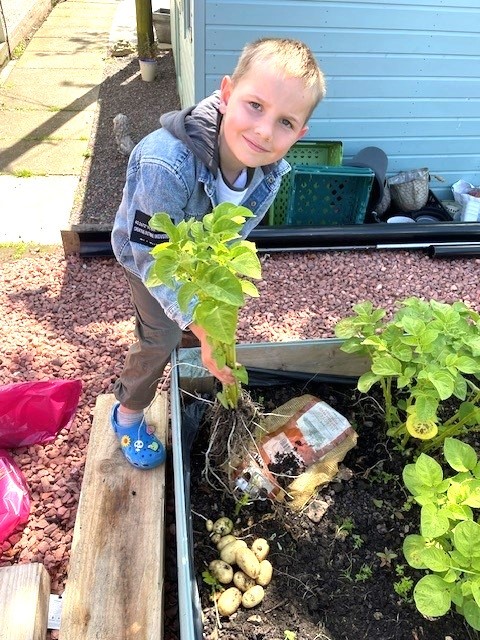
Projects across Scotland have transformed local communities by creating and enhancing local greenspaces and wildlife habitats.
Action Earth 2026 Terms and Conditions
Find out more about the terms and conditions of running a Action Earth project with us.
Join the Action Earth Facebook group
Follow us on Facebook to receive updates from our projects on the work taking place across Scotland.
Explore our resources
Whether you’re growing a garden, restoring habitats, or improving local green spaces, our Action Earth resources are here to support you. We’ve gathered a range of helpful guides and links covering trees, plants, soils, wildlife, and more. These are designed to help groups and individuals make the most of their environmental projects.
Home for Scotland’s wee five
We encourage all Action Earth Projects to boost Scotland’s Wildlife by including habitat creation in their projects.
Click the relevant animal or the name below it for habitat creation ideas.





It is essential that all Action Earth projects use Peat Free Compost . It can be bought through your local garden centre, but they often don’t stock it for much of the year. If you can’t buy it locally – type ‘buy peat free compost’ into your internet browser to find these.
Avoid Harmful Invasive Plants by planting Wildflowers which you can use in place of invasive non-natives.
To help out even furrier friends, find out how to make your gardens more bumblebee-friendly.
More information about Pollinators – can he found here
If you are looking for ideas to turn your garden into a butterfly and moth haven Butterfly Conservation can help.
For other small mammals than hedgehogs, have a look at Wild About Gardens.
Tree planting is a priority to help address climate change. Advice on best types of tree to plant in Scotland are available from The Woodland Trust.
RSPB offer advice on trees that offer the best food and shelter for wildlife and there is additional advice If you are looking to plant a Garden for Orchards.
Check out I Dig Trees – Community Support Pack.
Creating a wildlife garden with the habitats as well as ‘homes’ will provide for insects, birds, bats, other small mammals, frogs, toads etc. This can be done in even a tiny area. Whatever your resources, we can all take steps to improve local biodiversity.
The Royal Horticulture Society has great advice on wildlife gardening.
NatureScot have a range ideas to make your garden more attractive to wildlife. Maybe your garden has limited space or is in a built up area? You can still Garden for Life in pots and containers!
More helpful hints and tips can be found at Scottish Wildlife Trust who also have advice on building small ponds.
If you want to garden for specific animals, click the links below relating to the specific animal:
Creating a wildlife garden with the habitats as well as ‘homes’ will provide for insects, birds, bats, other small mammals, frogs, toads etc. This can be done in even a tiny area. Whatever your resources, we can all take steps to improve local biodiversity.
The Royal Horticulture Society has great advice on wildlife gardening.
NatureScot have a range ideas to make your garden more attractive to wildlife. Maybe your garden has limited space or is in a built up area? You can still Garden for Life in pots and containers!
More helpful hints and tips can be found at Scottish Wildlife Trust who also have advice on building small ponds.
If you want to garden for specific animals, click the links below relating to the specific animal:
Plantlife have advice on how to create your own wildflower meadow.
The Woodland Trust can provide help and advice if you are thinking about planting trees – whatever the number. They also have some free tree packs you can claim!
NatureScot is a unique source of information on Scotland’s Biodiversity and a great starting place for further assistance. NatureScot also have great resources to help you MakeSpace For Nature.
Local Biodiversity Action Plan Partnerships are useful contact organisations in your area that deliver conservation, communication and education work around local habitat and species needs.
Scottish Countryside Rangers Association exist in most areas to assist people in enjoying the natural outdoors, and can mostly be contacted through your own local authority website.
Walking Scotland encourages people to get out-and-about, walk for health and to improve Scotland’s pathways. Funding and advice is available.
More useful information and contacts for enjoying the outdoors can be found at Scottish Outdoor Access Code.
We recommend reading up on the current Scottish Biodiversity Strategy for background information on current priorities and actions ‘Strategic Vision And Outcomes – Biodiversity strategy to 2045: tackling the nature emergency – gov.scot.
Support for groups
If you are a community managed garden or farm then advice, support is available through the Social Farms and Gardens who have close links to Trellis Scotland, a charity that helps develop the use of therapeutic gardening and horticulture for health, well-being and life opportunities. Greenspace Scotland assist groups to plan, develop and manage green areas in towns and cities, helping turn urban places into people spaces. For information on allotment gardens, take a look at SAGs.
Volunteering Matters offer information about volunteering in many sectors. Our website demonstrates the range of work we do across the UK.
If you want to ensure that your volunteering activity is as inclusive as possible but would like some advice and ideas then visit the Make Your Mark toolkit.
This project is kindly funded by